The Strategic Transition: Why Solar Energy is the 2026 Business Standard
The global energy landscape has shifted from “alternatives” to “essentials.” For modern enterprises, solar energy is no longer a corporate social responsibility (CSR) checkbox; it is a critical hedge against energy inflation.
The Financial Architecture of Solar ROI
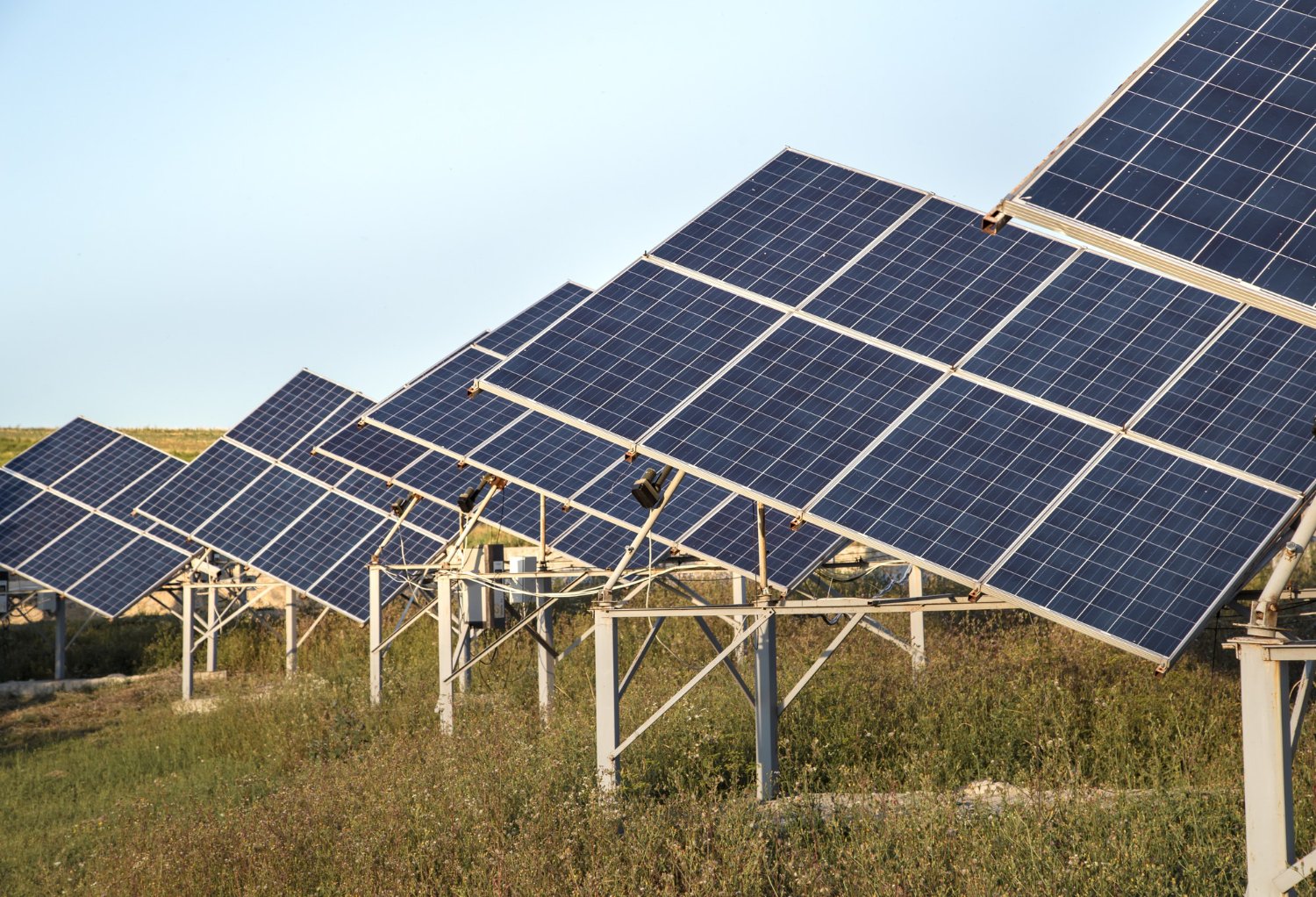
The most significant barrier to solar adoption has historically been the initial capital expenditure (CAPEX). However, with current tax credits, government subsidies, and the falling cost of photovoltaic (PV) cells, the average commercial system now achieves a “break-even” point within 3 to 5 years. Given that industrial-grade panels have a lifespan of 25+ years, businesses are essentially securing two decades of near-zero energy costs.
Operational Resilience and Peak Shaving
Energy providers often charge higher rates during peak hours. By utilizing solar power during these windows—supplemented by modern Battery Energy Storage Systems (BESS)—businesses can engage in “peak shaving,” significantly lowering their demand charges. Furthermore, on-site generation protects sensitive equipment from grid fluctuations and brownouts.
Conclusion: Transitioning to solar is a decision that balances fiscal discipline with environmental stewardship. When you Experience the Power of Solar Energy, you are investing in a predictable, high-performance future.